“Every great invention begins with a curious mind.”
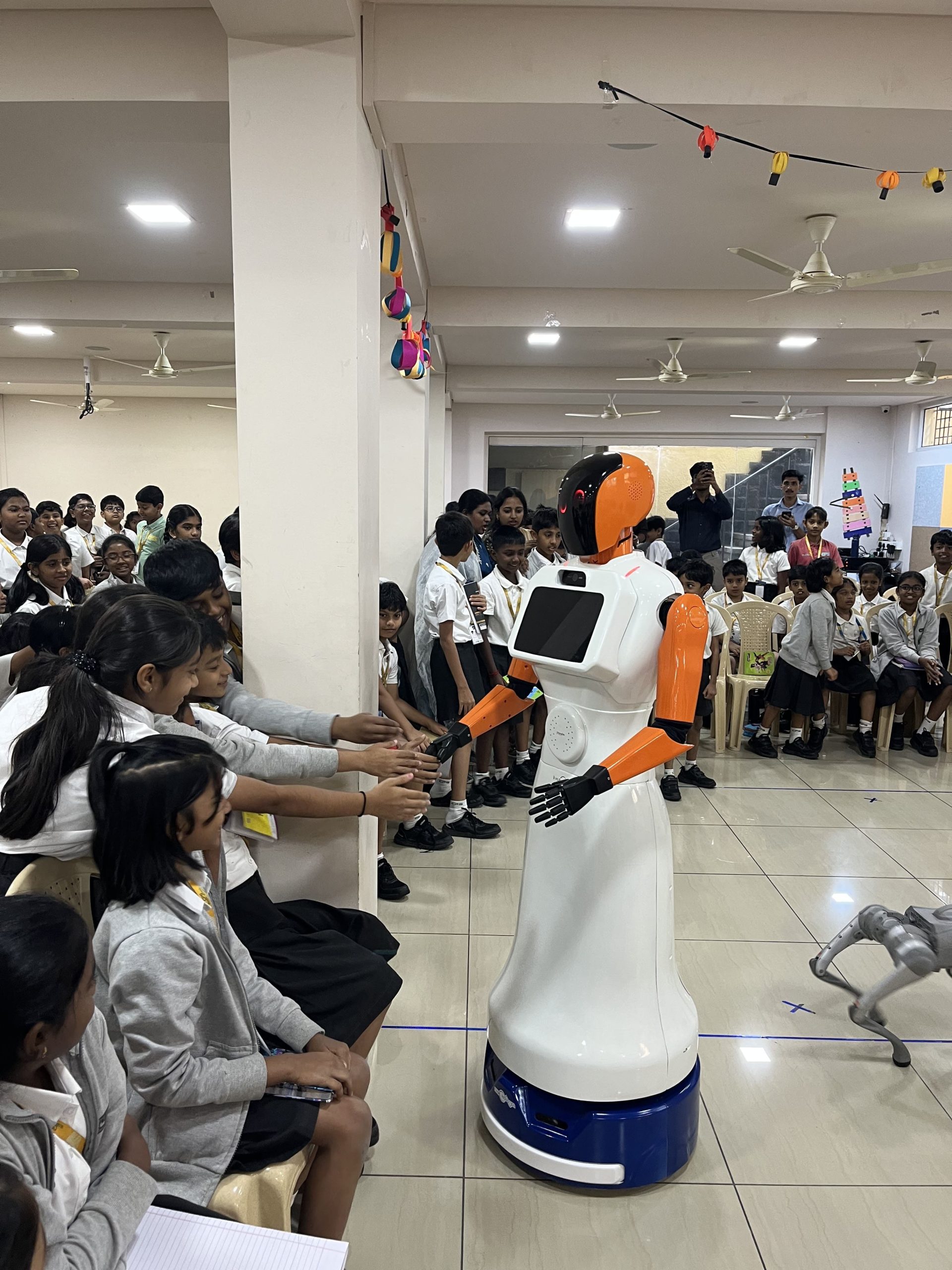
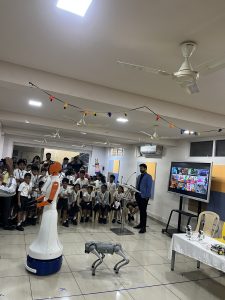
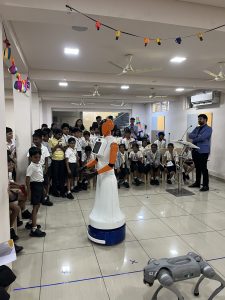
Our school recently hosted an exciting presentation on Artificial Intelligence (AI) and Robotics for learners from CIE Grades 3 to 5, led by Mr. Muraliraj, Chief Technology Officer of Forsche Technology Solutions Pvt. Ltd. The session introduced young learners to the world of intelligent machines through simple explanations and real-life examples.
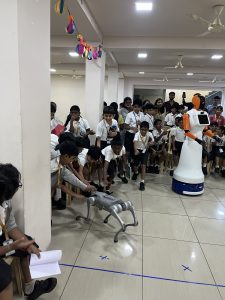
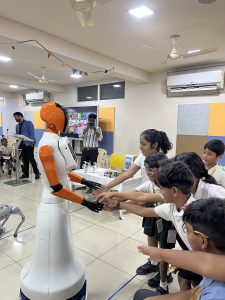
A key highlight was the live demonstration of robots, including humanoid robots. Learners watched in awe as robots moved and responded, sparking endless curiosity and enthusiastic questions. The children were eager to understand how robots are built, how they follow instructions, and how they can assist humans in fields such as healthcare and education.
The session inspired students to think creatively, ask questions, and imagine themselves as future innovators in a technology-driven world.
Overall, the session effectively combined learning, hands-on demonstrations, and inspiration, sparking enthusiasm and curiosity among learners about the vast potential of AI and Robotics. It marked an important step in equipping young minds for a future shaped by technology.
“When young minds are inspired by technology, they learn, grow, and help shape a brighter future”


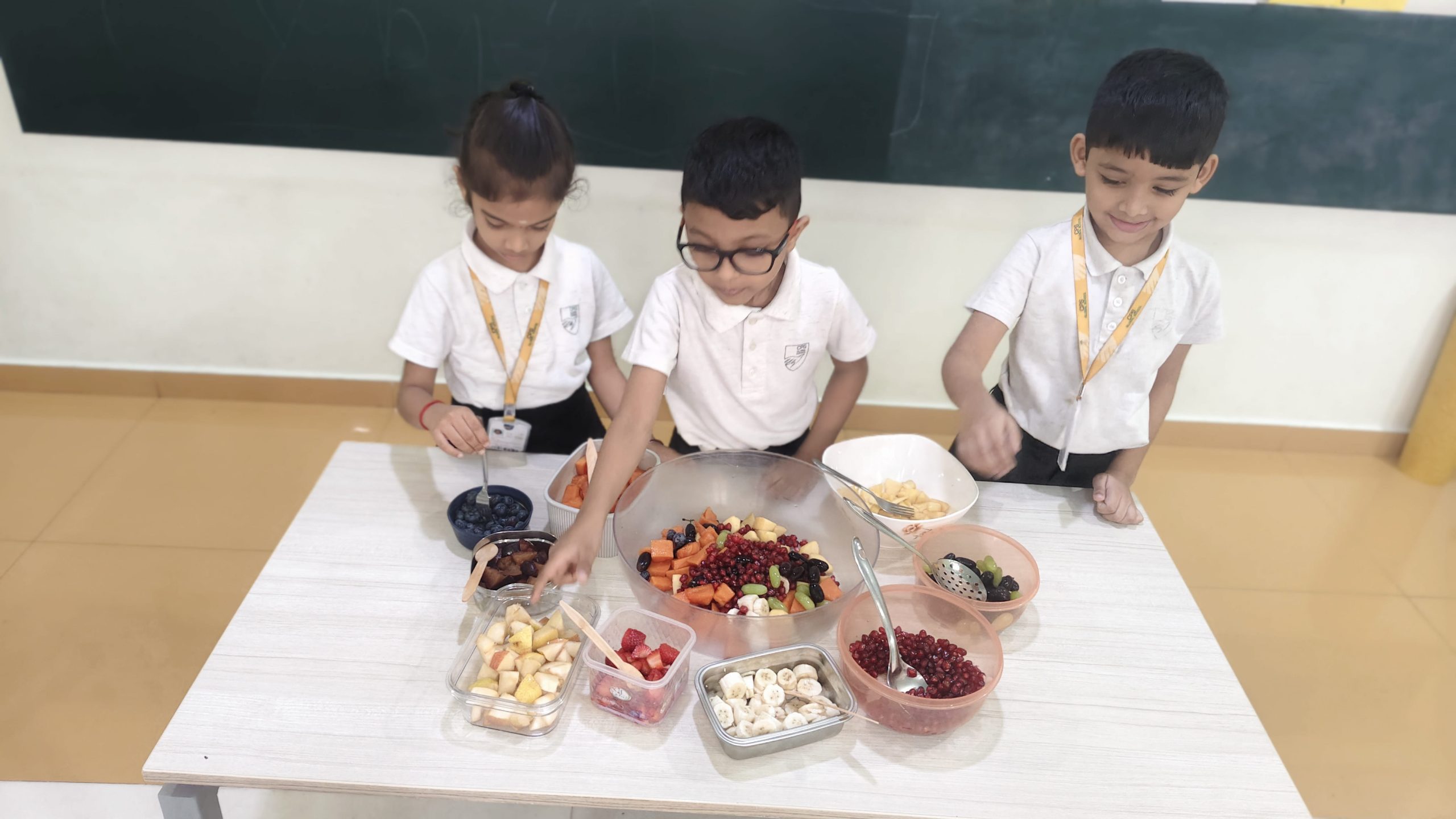
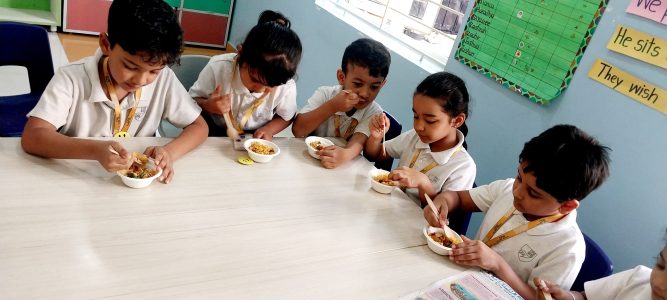
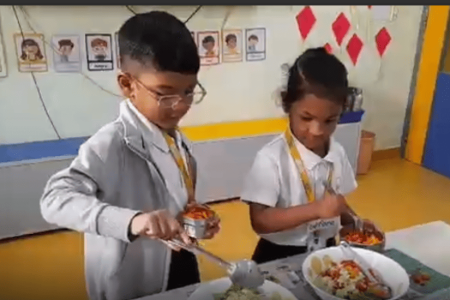
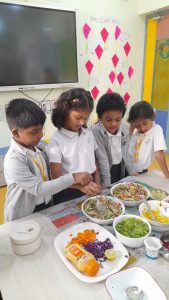
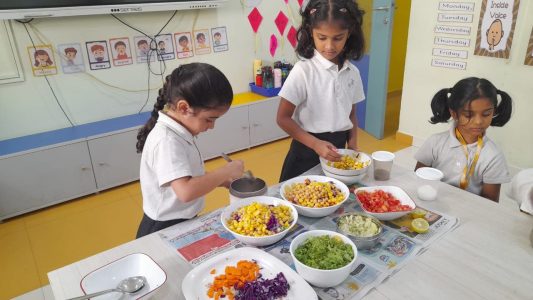
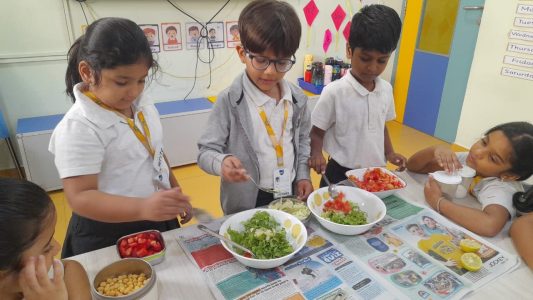
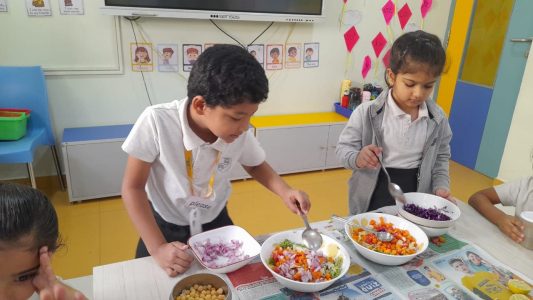
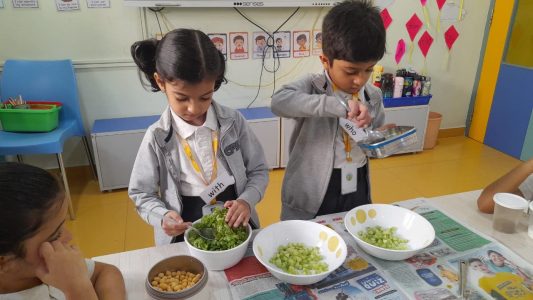
What happens when curious little chefs meet colourful fruits and crunchy veggies? A day full of giggles, flavours, and fun. Our Mix and Munch event was a joyful feast where children explored the magic of food—bright, fresh, and oh‑so‑yummy.
Three classes, three recipes, three times the excitement!
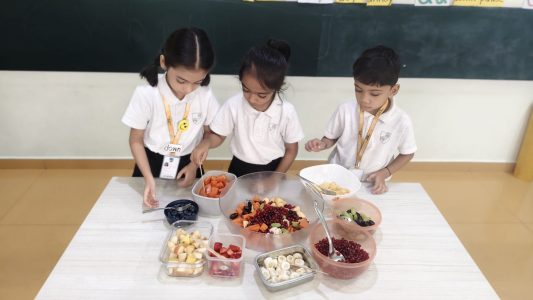
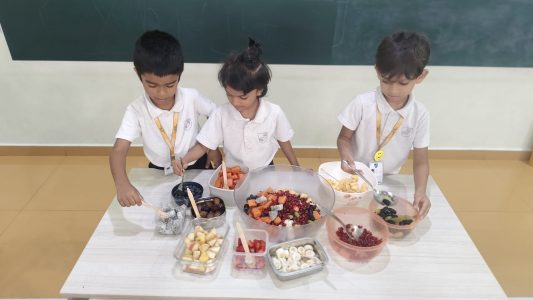
• EY 3A whipped up a rainbow fruit salad—juicy, sweet, and bursting with colours.
• EY 3B sprinkled spice and tang to create a zesty chaat that tickled taste buds.
• EY 3C crunched away with a healthy vegetable salad, fresh and full of goodness.
But the best part? The children weren’t just eating—they were the chefs!
Tiny hands mixed, sprinkled, and stirred with pride, learning about ingredients while making their own tasty creations. Every stir brought smiles, every sprinkle brought laughter, and every bite brought a cheer of “Yum!”
The day ended with happy hearts and happy tummies. Sharing bowls, swapping bites, and relishing their delights, the children discovered that food tastes even better when made.


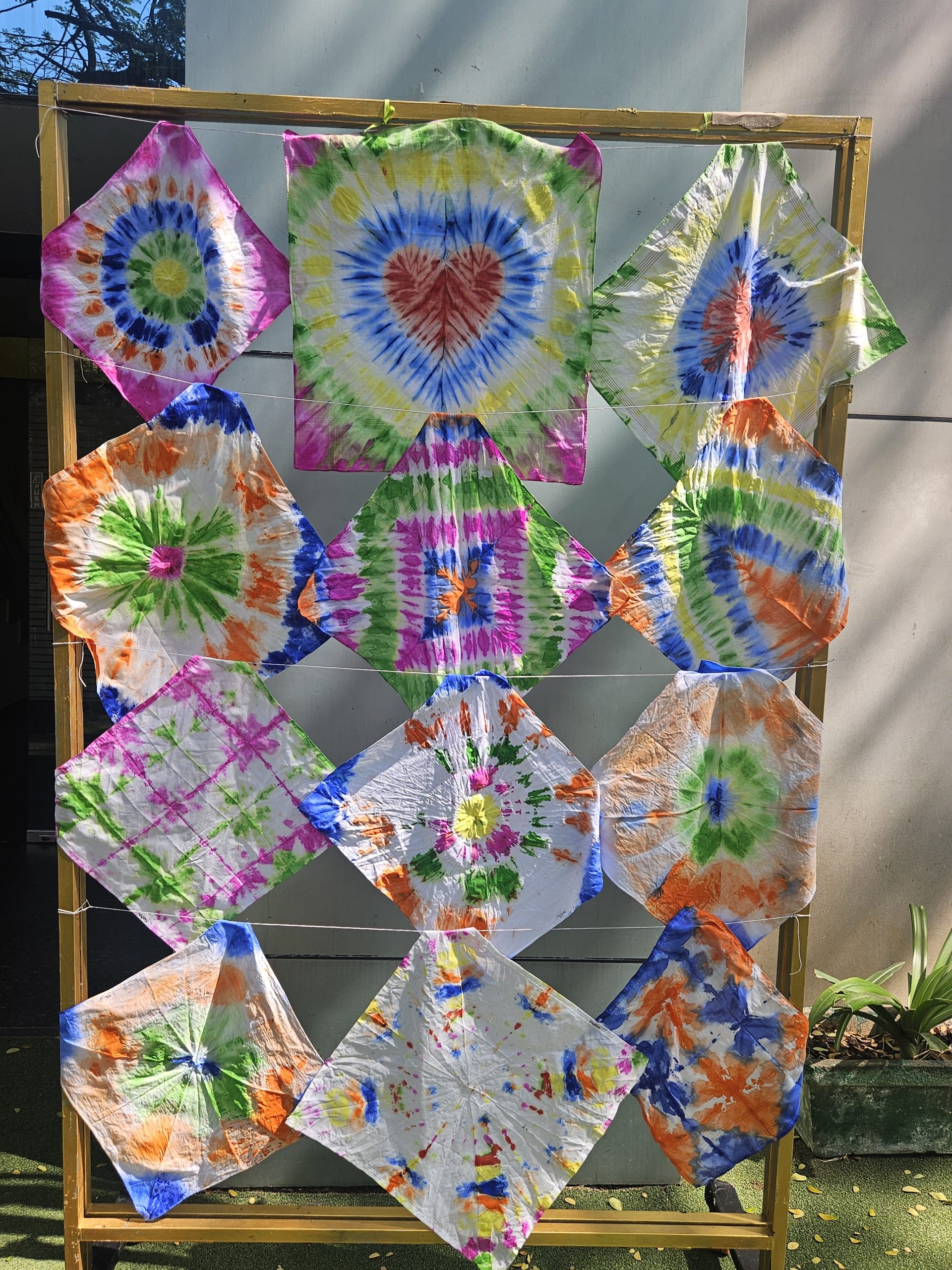
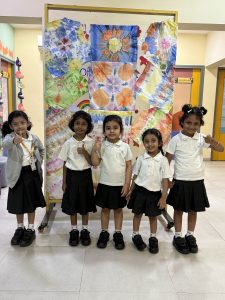
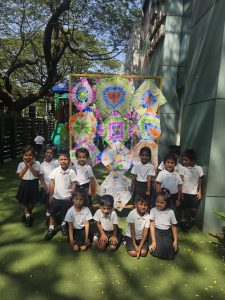
Learning in the early years becomes truly meaningful when children are given opportunities to explore, create, and express themselves. Our tie and dye activity using handkerchiefs and acrylic colours was a joyful hands-on experience that blended art, sensory play, and early learning in a simple yet impactful way.
Each child was given a white cotton handkerchief to explore. With excitement and curiosity, they then applied acrylic colours, watching as the colours slowly spread across the fabric. This activity offered rich sensory stimulation. Children felt the texture of the fabric, observed colour changes, and explored how colours blended when they touched.
The most exciting moment came when the handkerchiefs were untied. Children eagerly observed the patterns revealed, expressing joy and surprise at their colourful creations. This experience also gently taught patience and appreciation for the process of creating.
Using simple materials like handkerchiefs and acrylic colours, this tie and dye activity became more than an art lesson. It was a joyful learning experience that nurtured creativity, curiosity, and essential developmental skills—making learning colourful and memorable for our young learners.


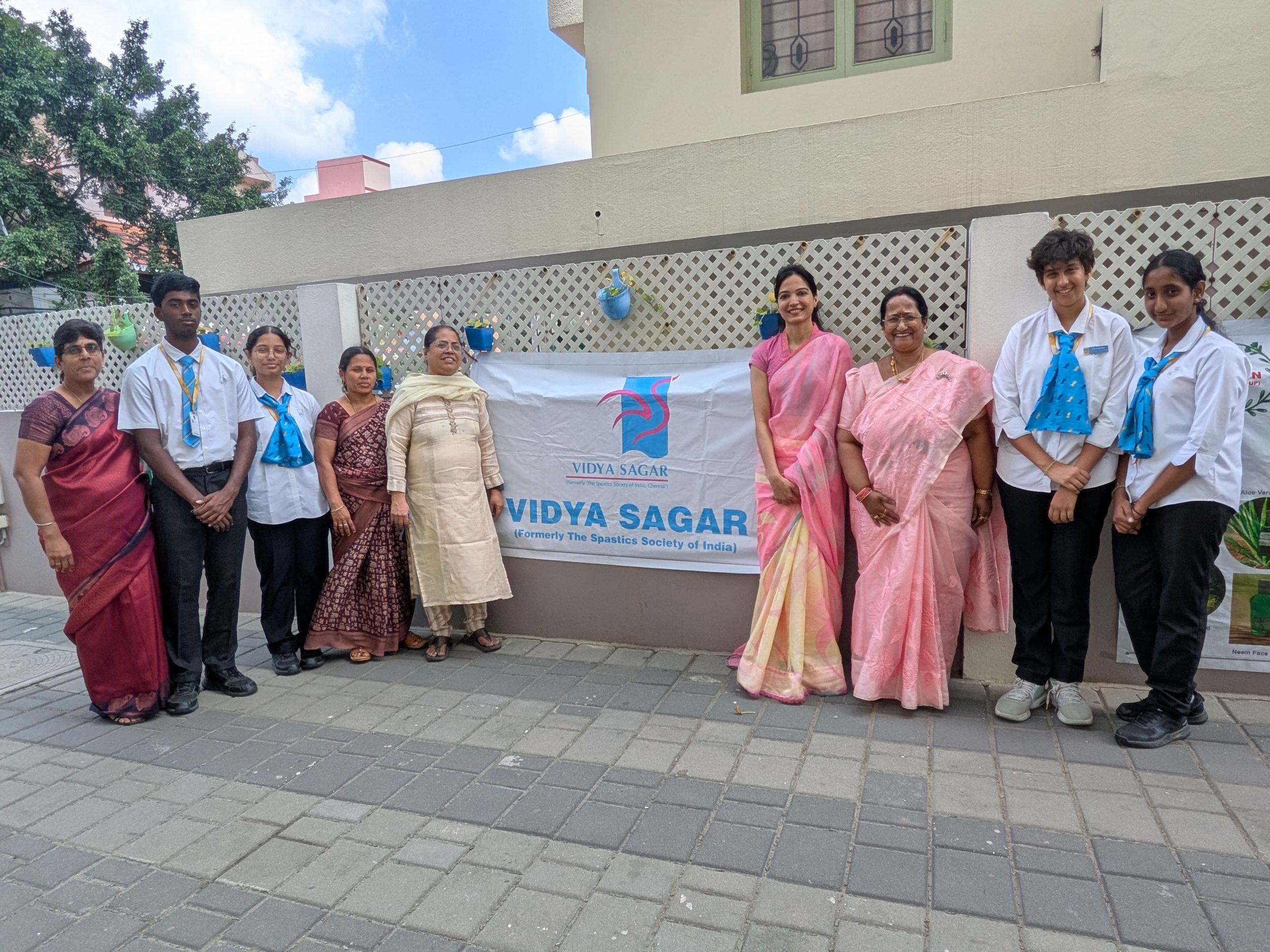
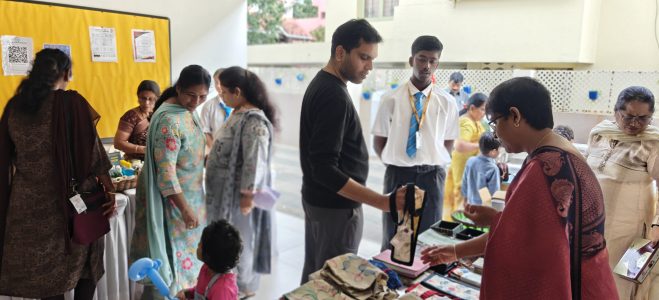
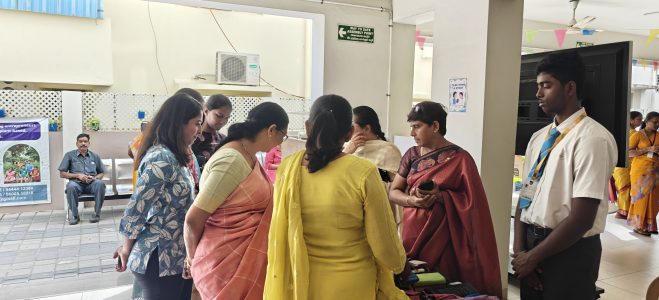
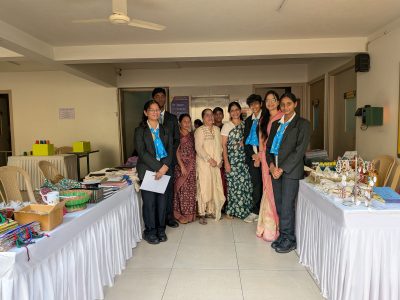
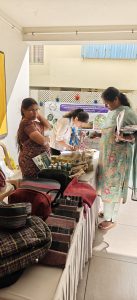
As part of an integrated CAS and IB Economics project, our school recently collaborated with an organization that works closely with specially-abled students and adults. The initiative came alive during the school carnival, where the organization set up a stall to showcase and sell their products, giving students a meaningful opportunity to connect classroom learning with real-world impact.
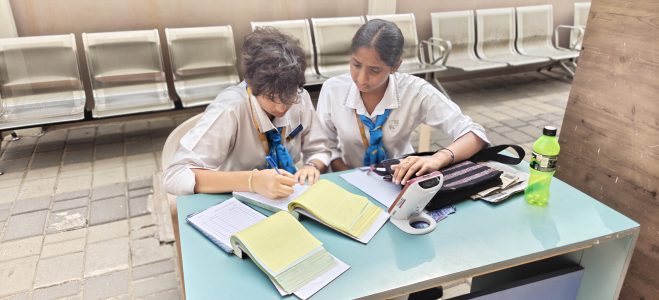
Prior to the carnival, students conducted an interview with the organization’s Product Marketing Manager to gain insights into their mission, values, product range, and marketing strategies. This interaction helped students understand how social enterprises operate, especially those that balance economic sustainability with social responsibility.
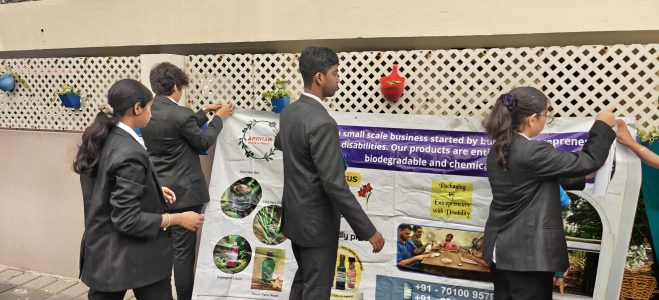
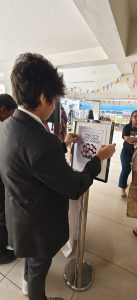
Using the information gathered from the interview, students applied key IB Economics concepts and marketing principles to design informative and engaging posters. These posters were displayed at the stall and around the queue area on carnival day, helping raise awareness about the organization’s work while also attracting visitors and encouraging informed purchases.
The activity fostered creativity, empathy, collaboration, and critical thinking, aligning strongly with the CAS learning outcomes. More importantly, it highlighted the importance of inclusion and demonstrated how thoughtful marketing can amplify the voices and talents of specially-abled individuals.
Overall, the project was a rewarding experience that allowed students to contribute to a meaningful cause while developing practical skills and a deeper understanding of socially responsible entrepreneurship.


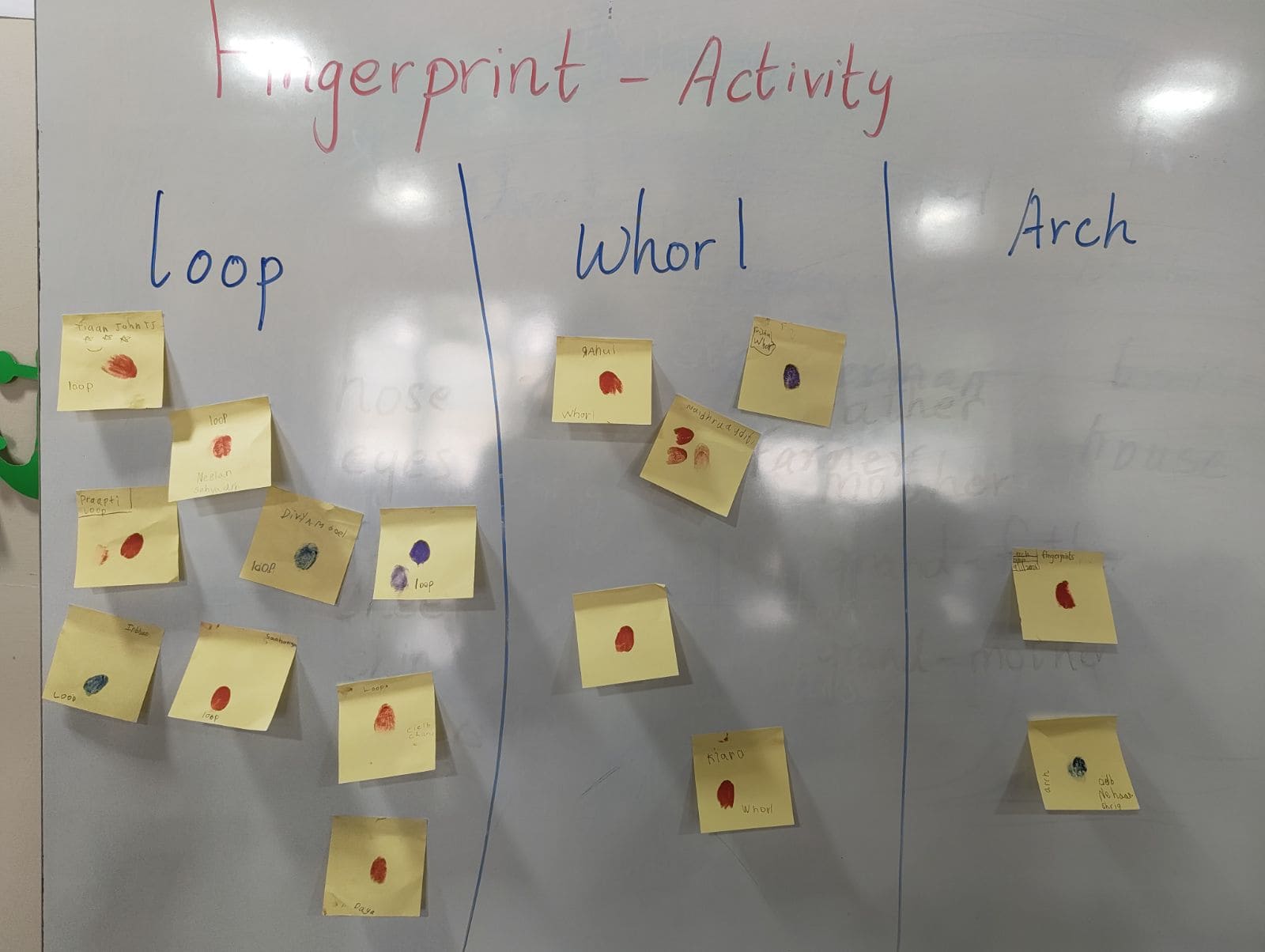
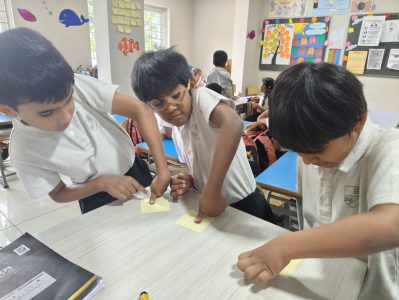
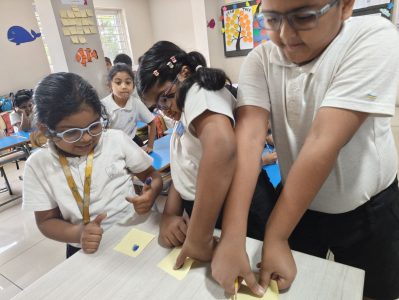
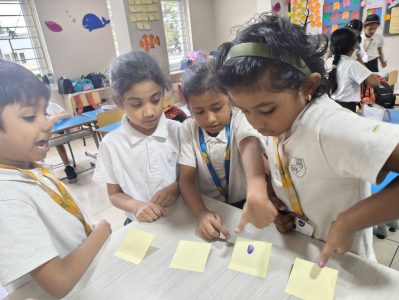
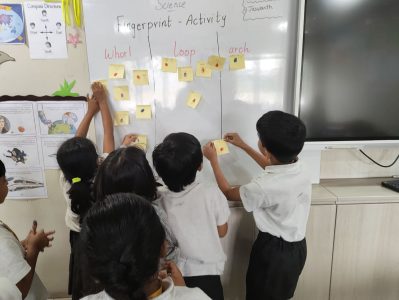
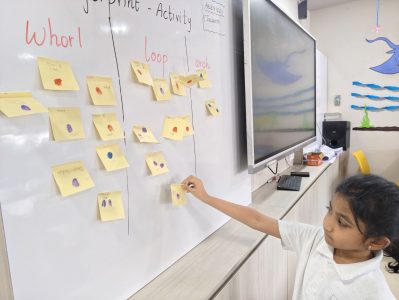
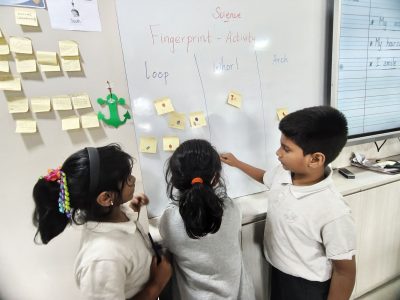
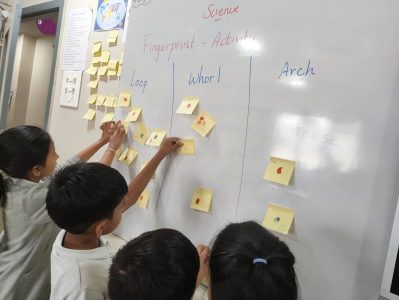
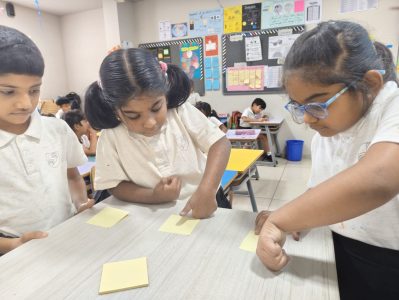
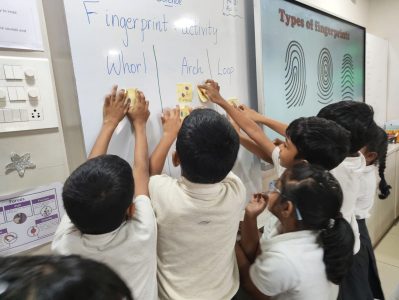
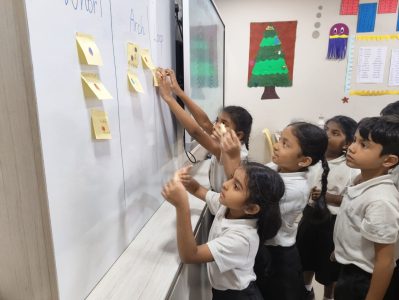
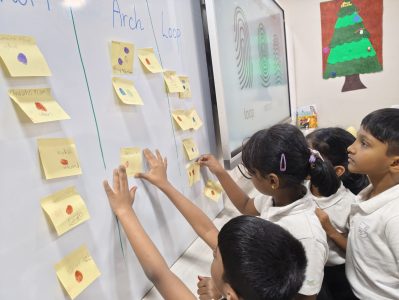
Our classroom turned into a mini-investigation lab as students explored the fascinating world of fingerprints through a fun, hands-on activity. Learners were introduced to the three main fingerprint patterns – whorl, loop, and arch and discussed how each type has a different shape and flow of lines. With simple materials like ink and paper, students carefully took their own fingerprints and observed the patterns formed on the sheet. They were excited to see how clear and unique their prints looked.
Students then identified their fingerprint type by comparing their prints with pattern charts and sorted them into the correct groups 0- whorl, loop, or arch. The activity became more engaging as they also examined their classmates’ fingerprints, shared observations, and discussed similarities and differences. Through this process, they practiced classification, careful observation, and scientific discussion. The session helped learners understand that every fingerprint is unique while building curiosity, teamwork, and analytical thinking skills in an enjoyable and memorable way.


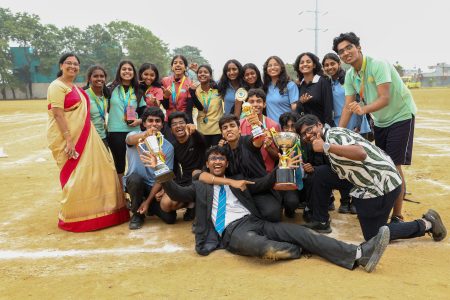
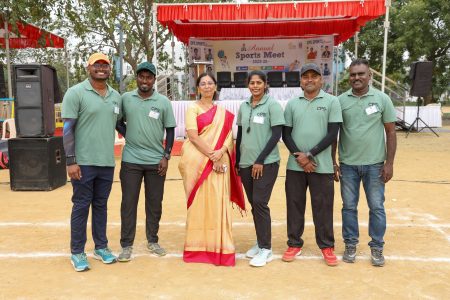
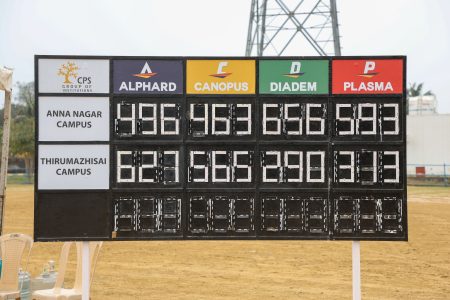
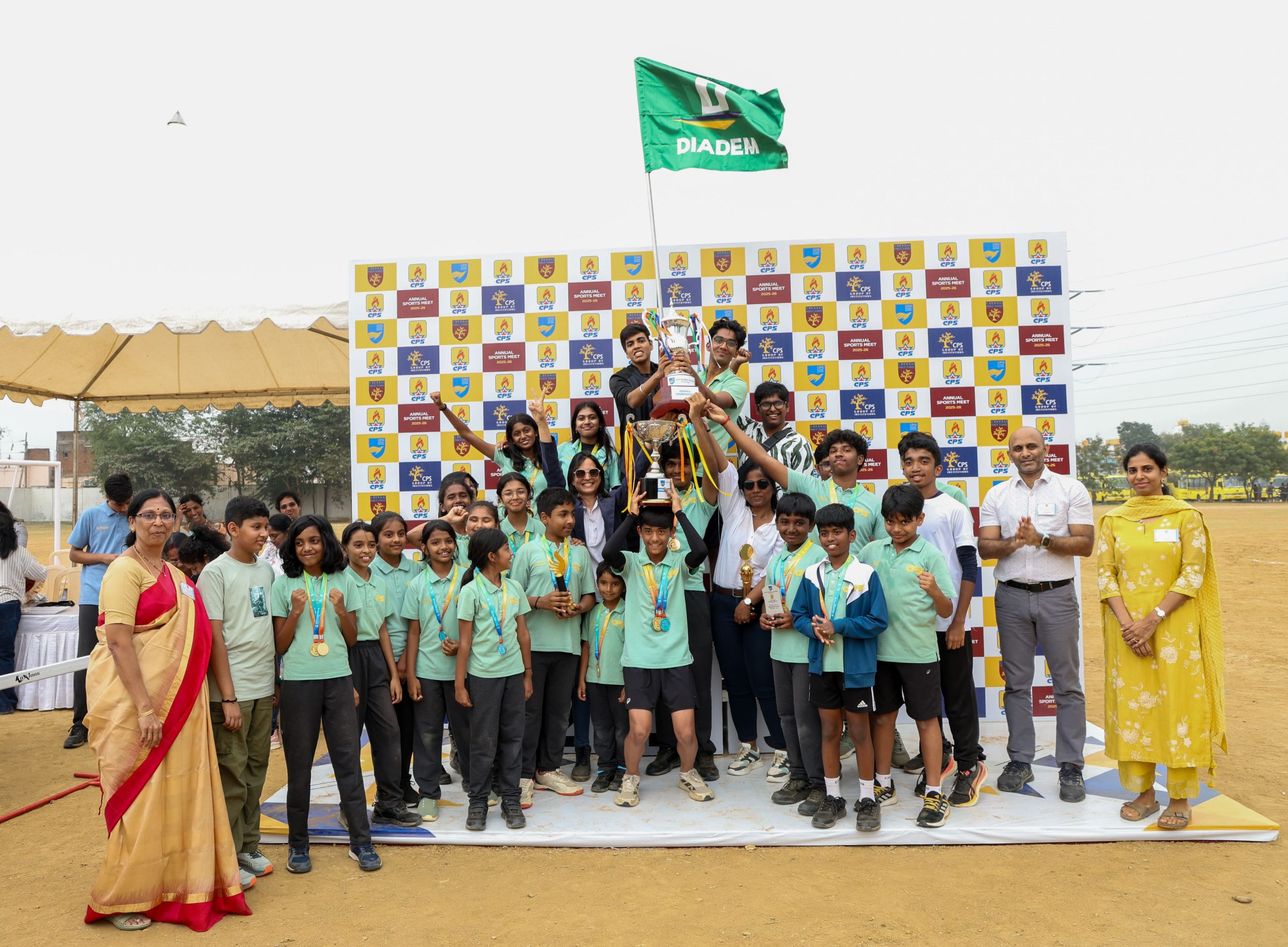
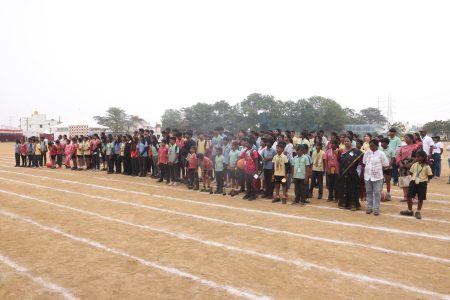
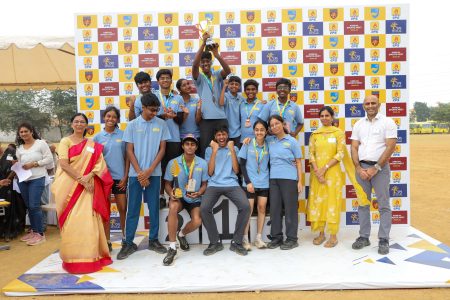
CPS Global School, Anna Nagar, Annual Sports Meet, held on 23 January, was a vibrant celebration of energy, discipline, and purpose, beautifully aligned with the theme “One World, One Dream – Sustainability.” The occasion was graced by our esteemed Chief Guest, Mr. Thushar Raheja, whose presence added inspiration and encouragement to the day. From the very beginning, the meet highlighted that sport is not merely about competition, but about integrity, respect, and playing the game the right way.
The field came alive with captivating displays — from the synchronized flower-blossom drill by Grades 1 to 5, symbolising growth and harmony, to the energetic dance drill by Grades 6 and 7 set to They Don’t Care About Us, and a disciplined synchronized march by our senior students showcasing precision and teamwork. The finale, with striking pyramid formations and a globe held high bearing a powerful message to the world, reminded everyone that each individual plays a vital role in building a sustainable future.
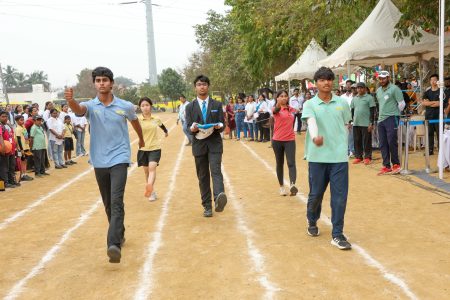
Following the displays, the focus shifted to the track events and the skill race, where students showcased speed, strength, agility, and endurance with great enthusiasm and sportsmanship. Each event reflected determination, resilience, and the joy of healthy competition, highlighting the importance of physical fitness and mental focus at a young age.
As the celebrations drew to a close, the Sports Meet stood as a powerful reminder that true victory lies in unity, discipline, and responsibility. Through sport, our students demonstrated not only physical strength, but also values that shape character and conscience. Carrying forward the spirit of sportsmanship and the message of sustainability, the day concluded with renewed commitment to build a healthier, fairer, and more sustainable world—together.
Until the next Sports Meet calls us back to the track and field, we carry forward the spirit of teamwork, fair play, and responsibility — striving every day to stay active, united, and committed to a sustainable future.
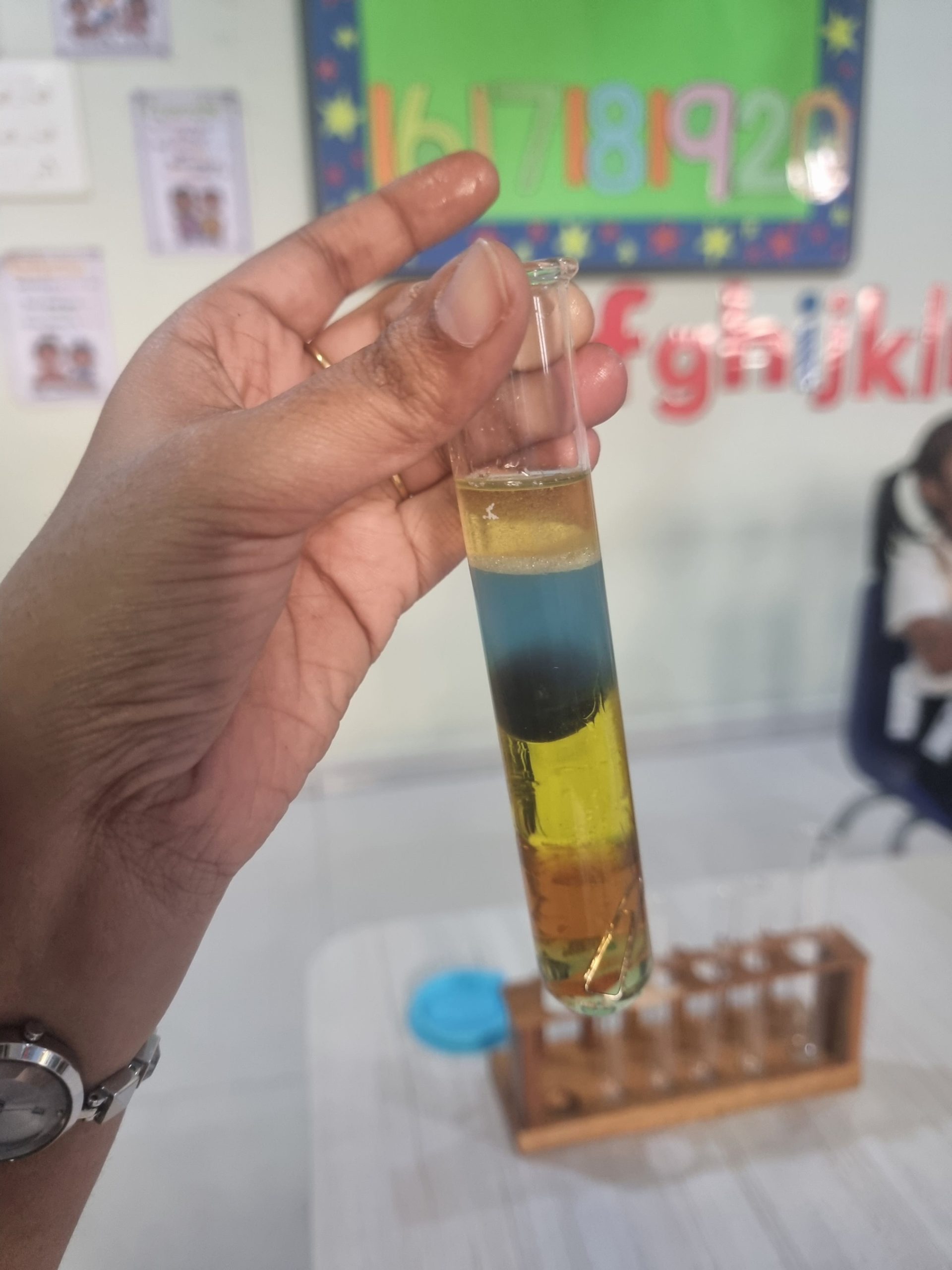
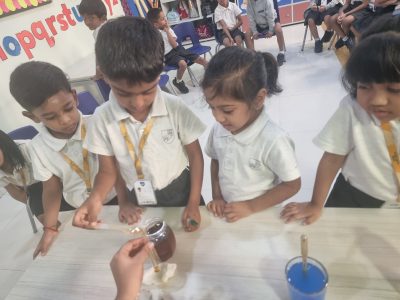
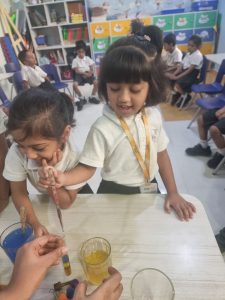
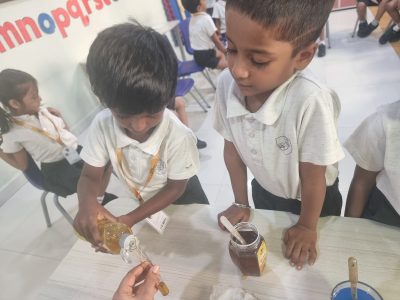
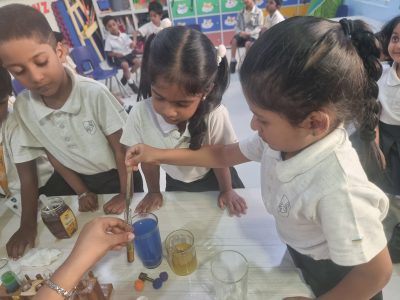
Young children are naturally curious about how things move, pour, sink, and float. In EY 2B, simple hands-on activities help turn this curiosity into meaningful learning. This engaging science activity introduces children to the idea of heavy and light liquids and sink or float using everyday materials like honey, water, oil, and small objects.
Understanding Density
For children, density is explained in very simple terms:
Heavy liquids go down.
Light liquids stay on top.
When different liquids are poured carefully into a clear jar, they form layers. This helps children see that some liquids are heavier than others, even though they all look similar. The children watched with excitement as clear layers appeared in the jar.
The liquid density and sink-or-float experiment turned a simple jar into a world of discovery. By watching layers form and objects move, EY 2 children experienced science in a joyful and meaningful way.


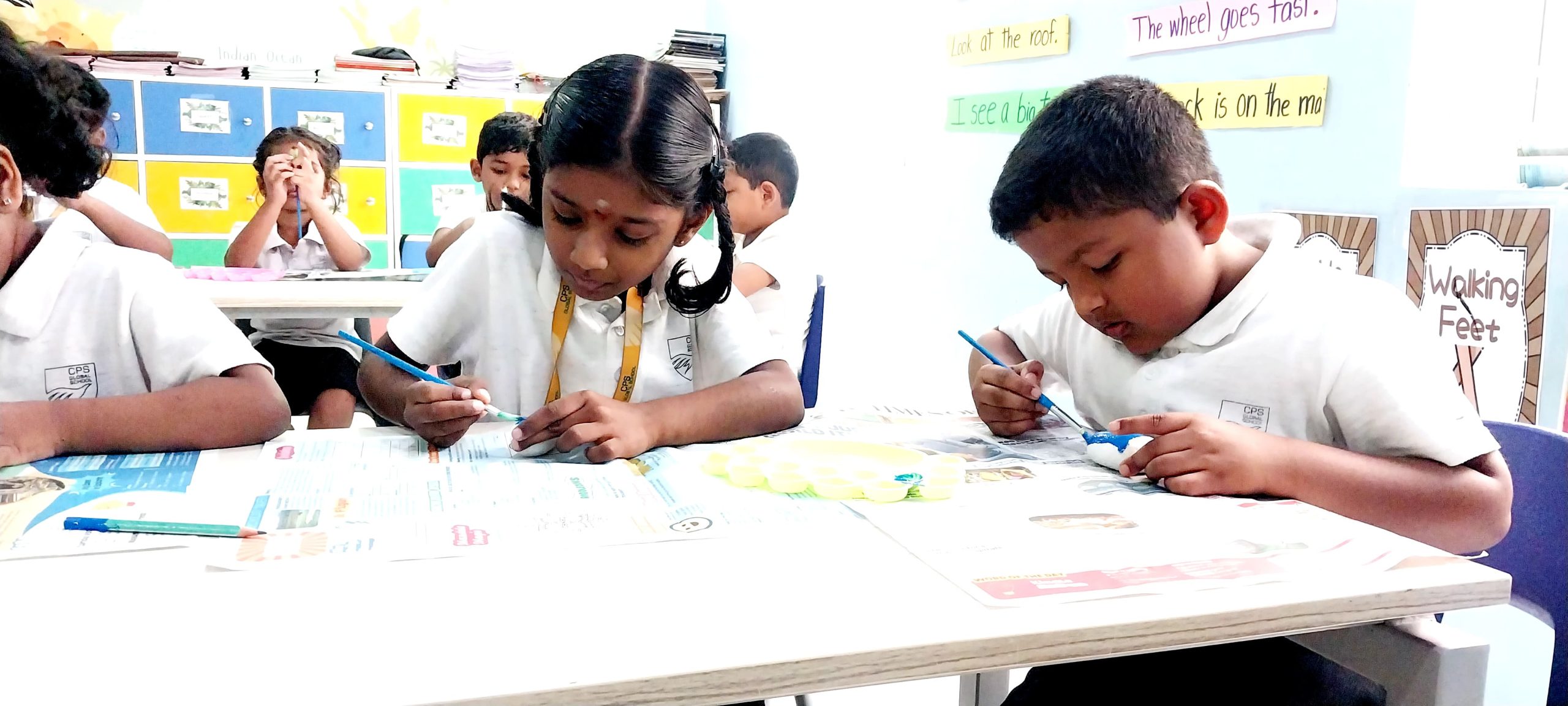
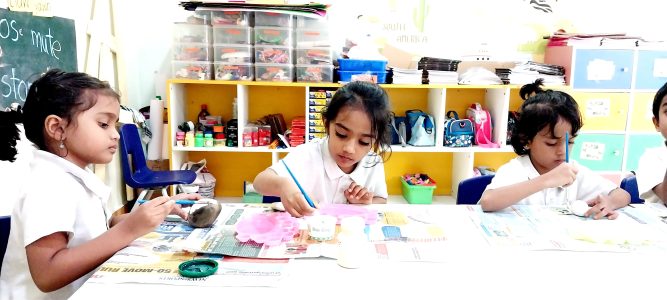
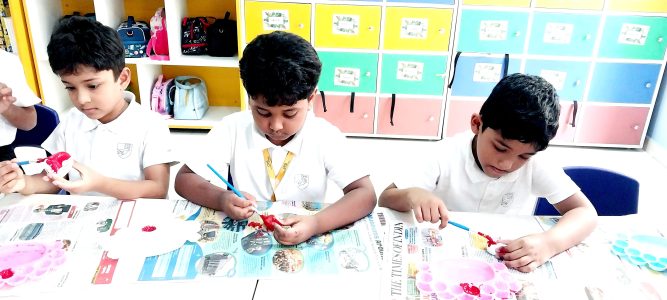
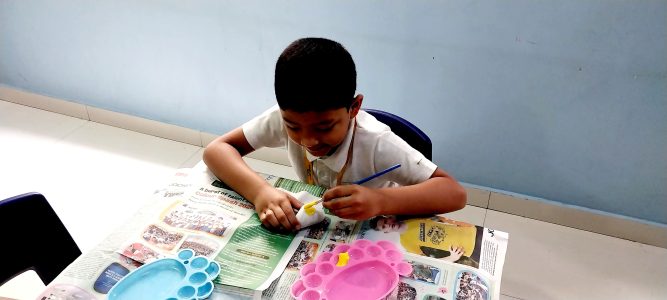
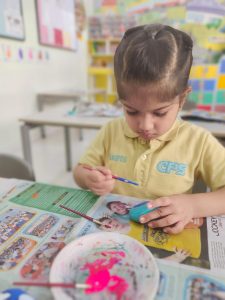
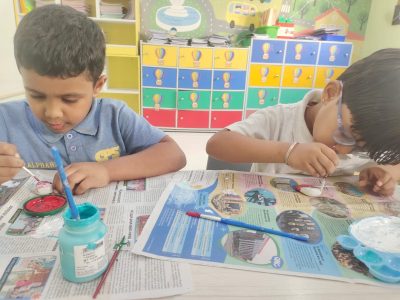
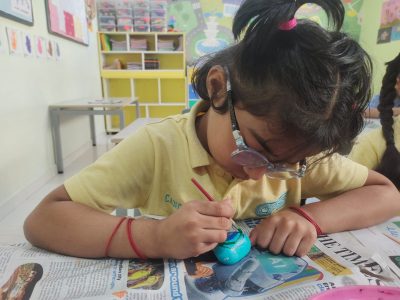
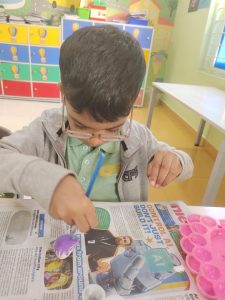
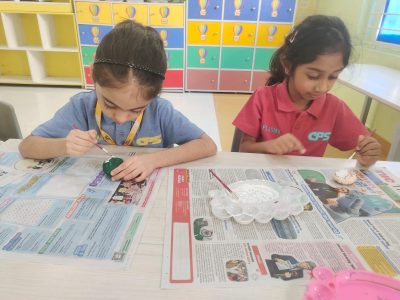
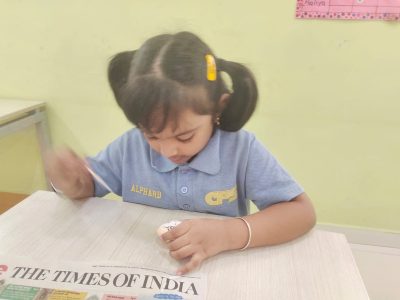
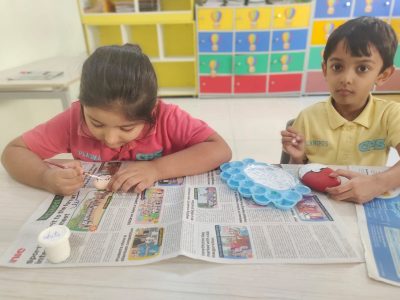
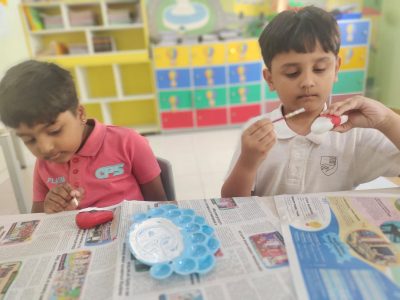
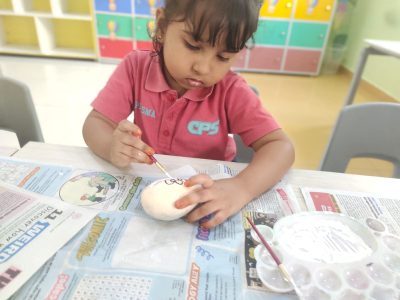
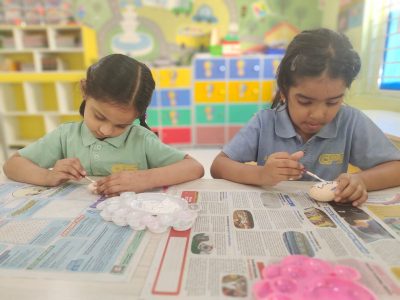
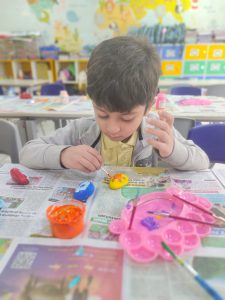
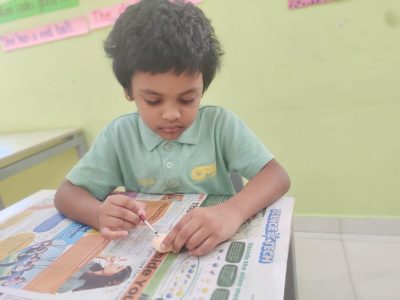
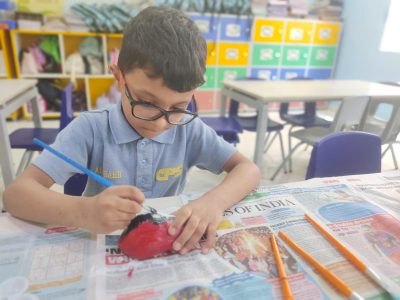
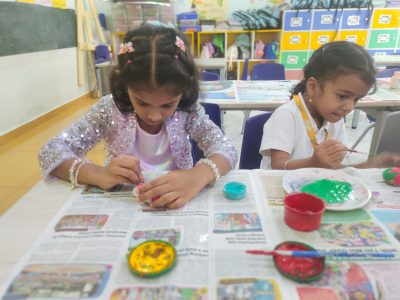
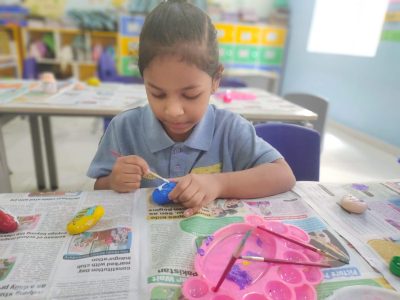
Sometimes, the simplest materials spark the biggest creativity. Our kindergarteners discovered this beautifully during our Pebble Art activity.
The session began with children exploring smooth pebbles—feeling their textures, comparing sizes, and wondering aloud what each pebble could become. With paints, brushes, and a lot of imagination, these ordinary stones soon transformed into colourful animals, cheerful faces, flowers, and imaginative designs.
As the children painted and arranged their pebbles, they strengthened their fine motor skills, hand–eye coordination, and focus. More importantly, they learned that there is no “right” or “wrong” in art. Each creation was unique, encouraging self-expression and confidence.
The activity also sparked conversations about nature and sustainability, helping children understand that art can be created with natural materials found around them. Sharing their finished pieces with friends gave them a chance to practise their language skills, storytelling, and to take pride in their work.
Pebble art reminded us that creativity doesn’t need expensive tools—just curiosity, freedom, and little hands ready to explore.
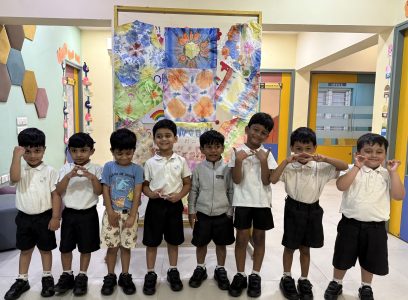

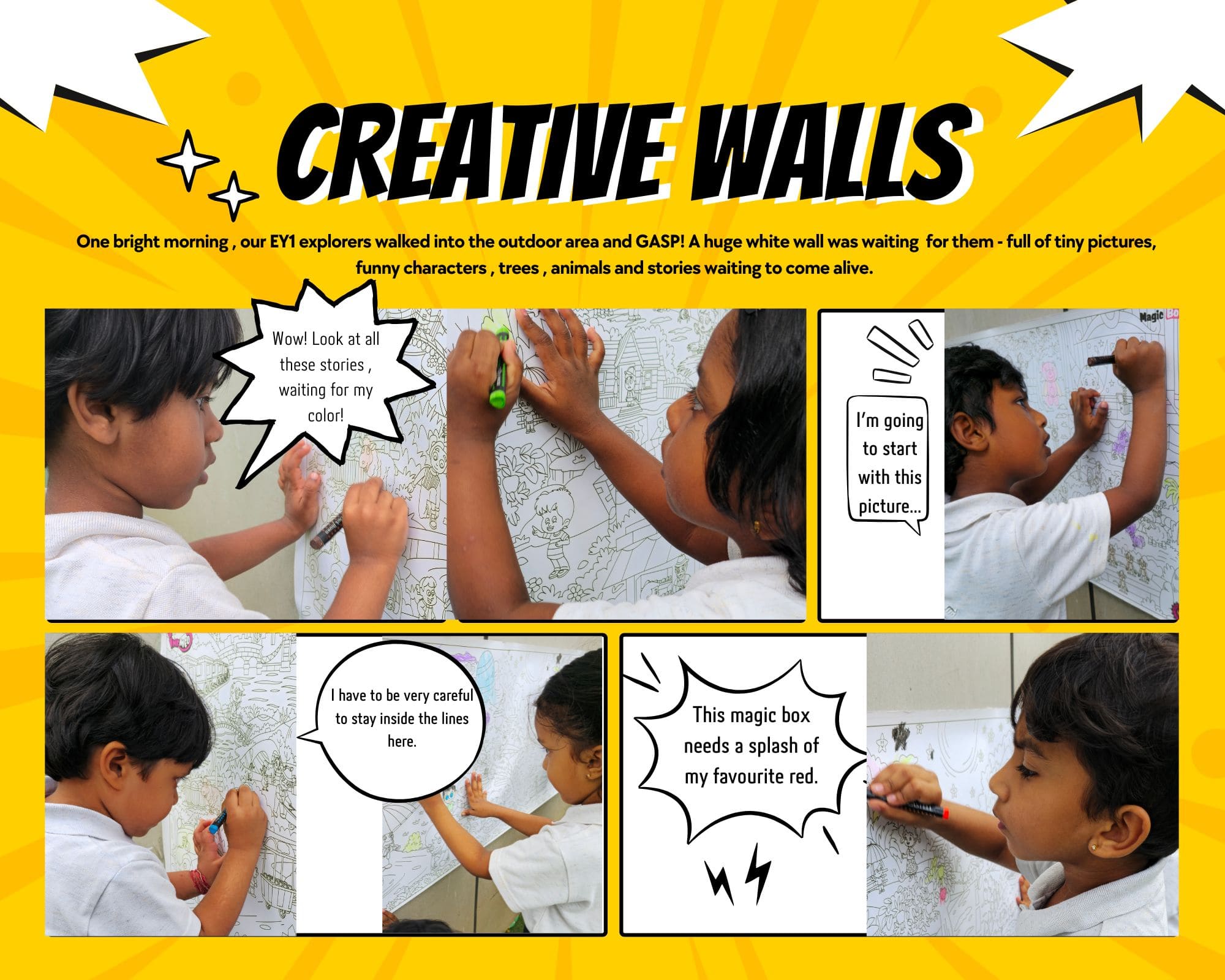
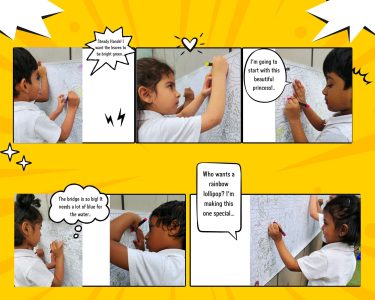
Our Explorers didn’t just colour a wall; they built a world together. Through this activity, they practised collaboration, fine motor and creative expression. Each small section coloured was filled with creativity, joy and endless imagination.