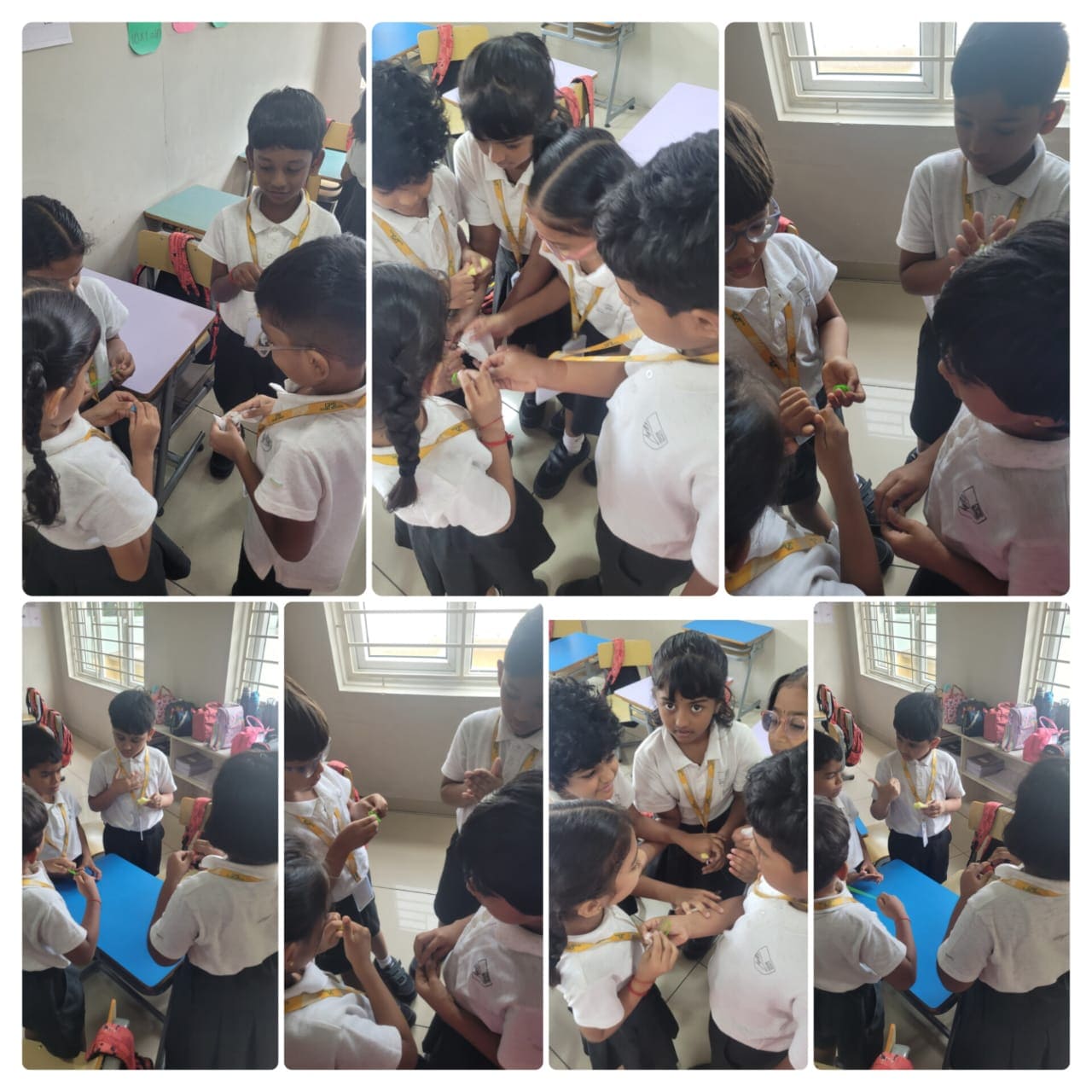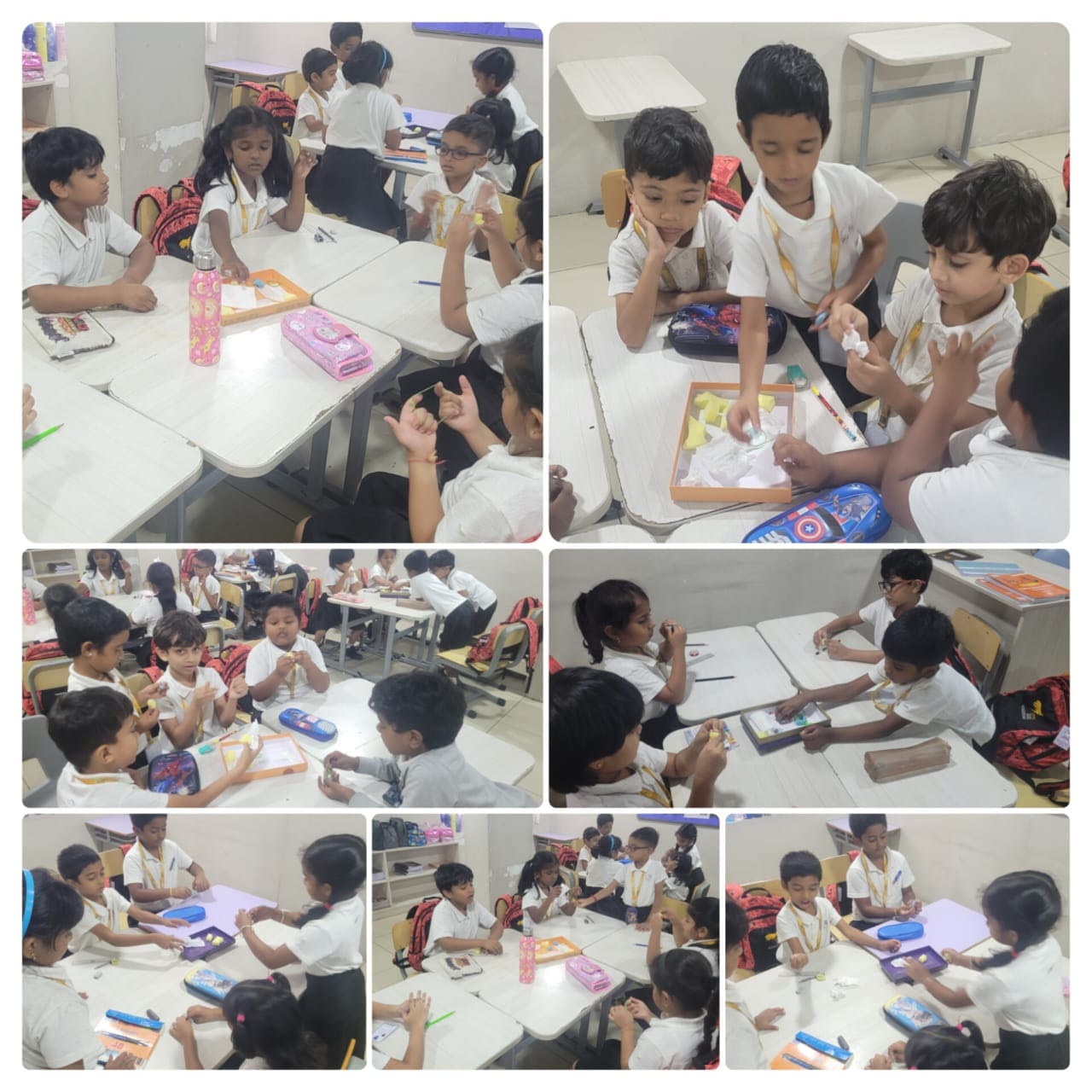
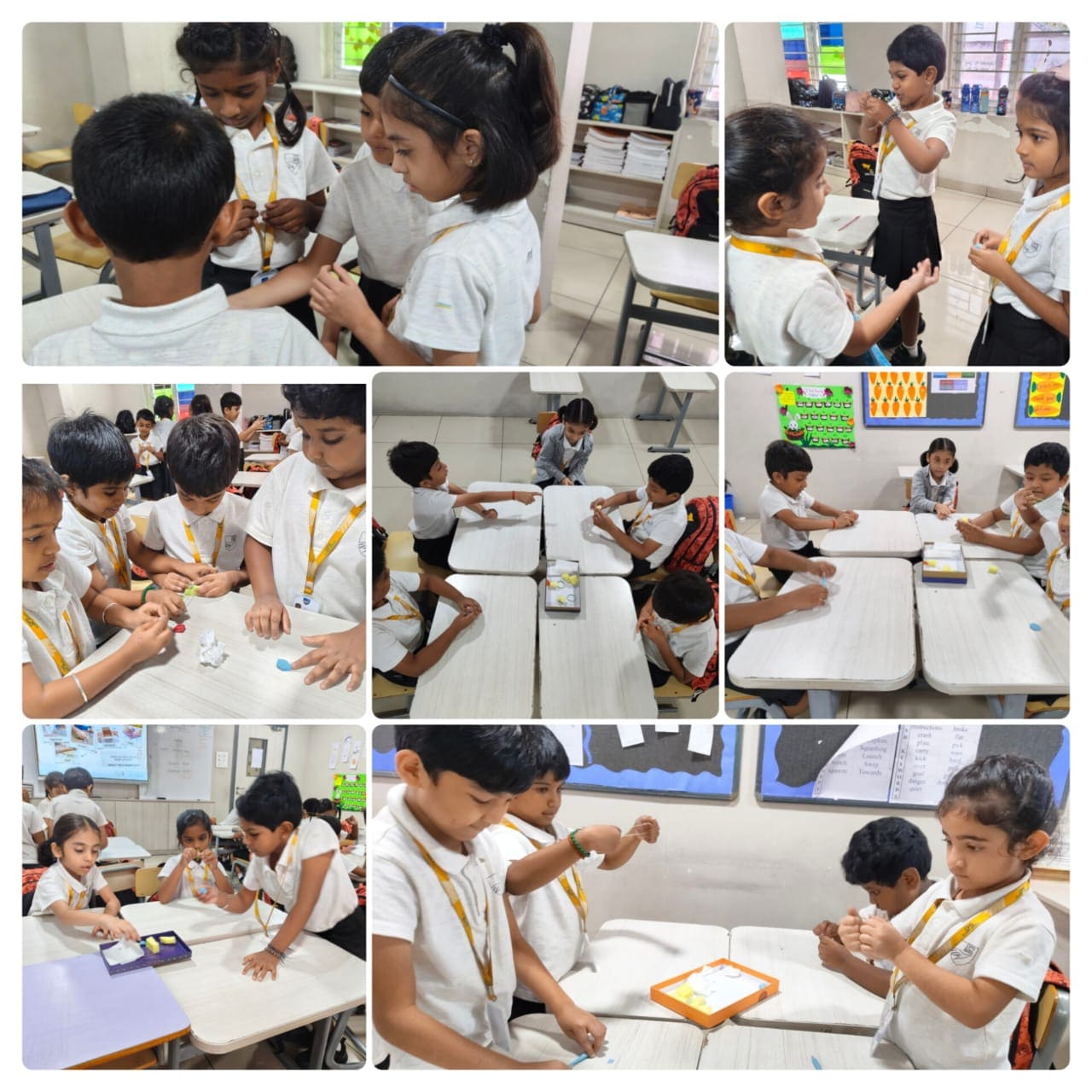
Our Grade 1 learners became curious young scientists as they explored how force can change the shape of objects through an exciting hands-on investigation!
The classroom turned into a mini science laboratory as learners were given a variety of everyday objects, including clay, sponge, rubber bands, paper, and stones. They were encouraged to touch, observe, stretch, squeeze, bend, and press the objects to discover what happened when force was applied.
The learners excitedly explored the objects and noticed that some materials could easily change their shape. They squeezed the sponge, stretched the rubber band, moulded the clay, and folded the paper. Through these simple actions, they discovered that applying a force can make some objects bend, stretch, squash, or change shape.
They then investigated objects such as stones, which did not easily change shape when force was applied. This helped them compare the objects and recognise that different materials respond differently to force.
The activity encouraged learners to use their senses and observation skills while making predictions and comparing their findings. They developed scientific vocabulary such as bend, stretch, squash, squeeze, hard, soft, and flexible as they shared what they discovered.
Most importantly, the experience helped our young scientists understand that force can do more than just move objects—it can also change their shape!
With curious minds, busy hands, and lots of exciting discoveries, our Grade 1 learners had a wonderful time exploring the fascinating world of Force and Movement.